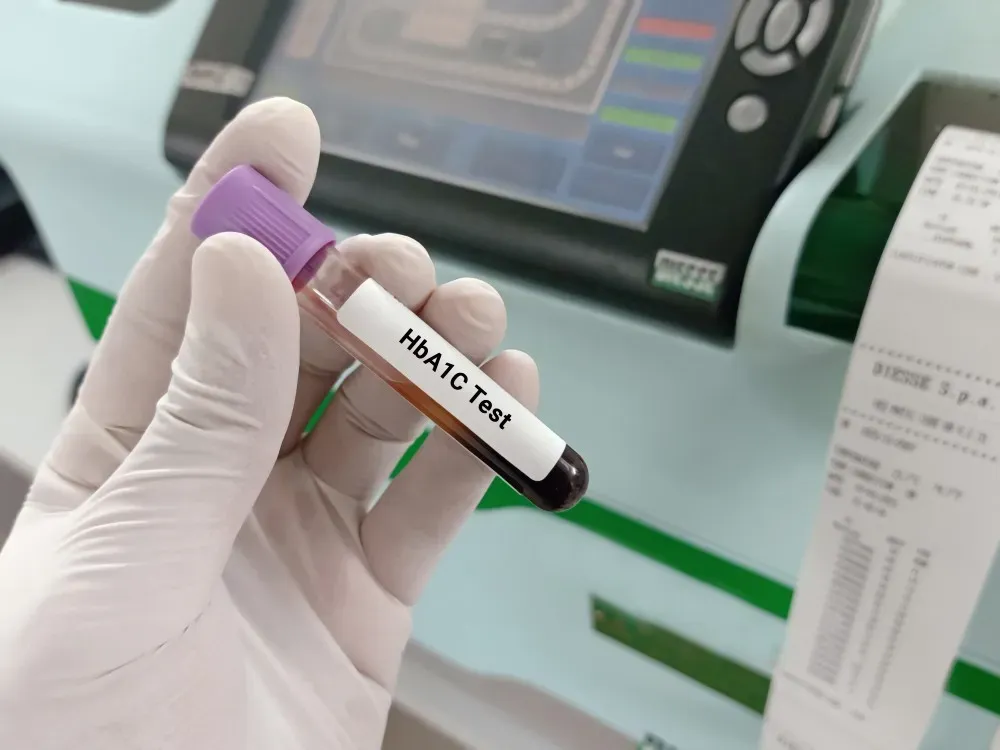
Your A1C is one of the best tools for understanding how well your body has managed blood sugar over the past two to three months. When it starts climbing, you may be developing insulin resistance, prediabetes, or diabetes, sometimes without even realizing anything is wrong.
Our team of holistic primary care providers at Maniya Health in Hamilton, Robbinsville, and Hopewell, New Jersey, explains what your A1C is and six signs it’s rising too fast.
What does your A1C actually tell you?
Unlike a finger-stick blood sugar test, which measures your glucose at a particular moment, an A1C test reflects your average blood sugar over approximately the past three months.
It measures the percentage of hemoglobin, a protein in your red blood cells, with glucose attached. The more glucose circulating in your bloodstream, the higher your A1C tends to be.
For non-pregnant adults, this is what your A1C can mean:
- Normal: Below 5.7%
- Prediabetes range: 5.7%–6.4%
- Diabetes range: 6.5% and higher
An A1C of 6.5% doesn't mean your blood sugar is always high. It means your average blood glucose has, on average, been elevated over the past three months, and that you likely have diabetes.
6 signs your A1C is rising
While your A1C won’t tell you exactly when your blood sugar started rising, certain symptoms may suggest your glucose levels are getting too high.
1. You’re thirsty all the time
Have you noticed you’re constantly reaching for your water bottle, even when you haven’t been exercising or spending time in the heat?
When your blood sugar becomes too high, your kidneys work to remove excess glucose through your urine. This process also draws water out of your body, which can potentially leave you dehydrated.
As a result, you may feel unusually thirsty, even after drinking plenty of fluids.
2. You’re making more trips to the bathroom during the day and overnight
Frequent urination often goes hand in hand with increased thirst. When your kidneys can’t reabsorb all the glucose filtered from your blood, excess glucose passes into your urine and pulls extra water with it.
In addition to more daytime bathroom trips, you may also wake up several times at night to use the bathroom.
3. You’re exhausted for no obvious reason
Glucose is one of your body’s primary energy sources, but with insulin resistance or diabetes, your cells may struggle to use glucose effectively.
Insulin resistance can leave you feeling tired, sluggish, or unusually drained, even when you’re getting enough sleep.
Keep in mind that fatigue has many possible causes, including anemia, thyroid problems, and sleep disorders, but constant fatigue combined with increased thirst or urination can be an important reason to check your blood sugar.
4. Your vision seems blurry
High blood sugar can affect all your blood vessels, including those in your eyes. As a result, words may look fuzzy, your vision may fluctuate throughout the day, or your glasses may suddenly not work as well.
5. Cuts and scrapes take a long time to heal
Have you noticed that a small cut seems to linger longer than it should? Elevated blood sugar can affect both your circulation and your immune function. This can impair your body’s ability to repair even small cuts and scrapes.
It can also increase your risk of certain infections, including skin and urinary tract infections.
6. You’re hungry all the time
If you’re constantly hungry, even shortly after eating, high blood sugar could be to blame. High blood sugar can actually increase your appetite, a symptom known as polyphagia.
When your body can’t use glucose effectively because of insufficient insulin or insulin resistance, your cells may not get the energy they need, even though there’s plenty of sugar circulating in your bloodstream. As a result, you may feel unusually hungry despite eating regular meals.
What if you don’t have any symptoms?
You might feel perfectly healthy while your A1C gradually increases.
That’s why routine screening here at Maniya Health is so important, especially if you have risk factors such as:
- A family history of type 2 diabetes
- Overweight or obesity
- High blood pressure or abnormal cholesterol levels
- A history of gestational diabetes
- Polycystic ovary syndrome (PCOS)
- Physical inactivity
- Increasing age
The American Diabetes Association recommends routine diabetes screening for most adults beginning at age 35, with earlier screening for people with certain risk factors.
Your Maniya Health provider can help determine how often you should be tested.
What can you do if your A1C is climbing?
An elevated A1C doesn’t mean your health is suddenly out of your control, but it does mean you can get back on track now. Our team can help analyze your labs, help you control your numbers (through diet, exercise, weight loss), and, if needed, manage diabetes with medication.
Questions? Call 609-581-9100 to reach any of our three locations or request an appointment online.